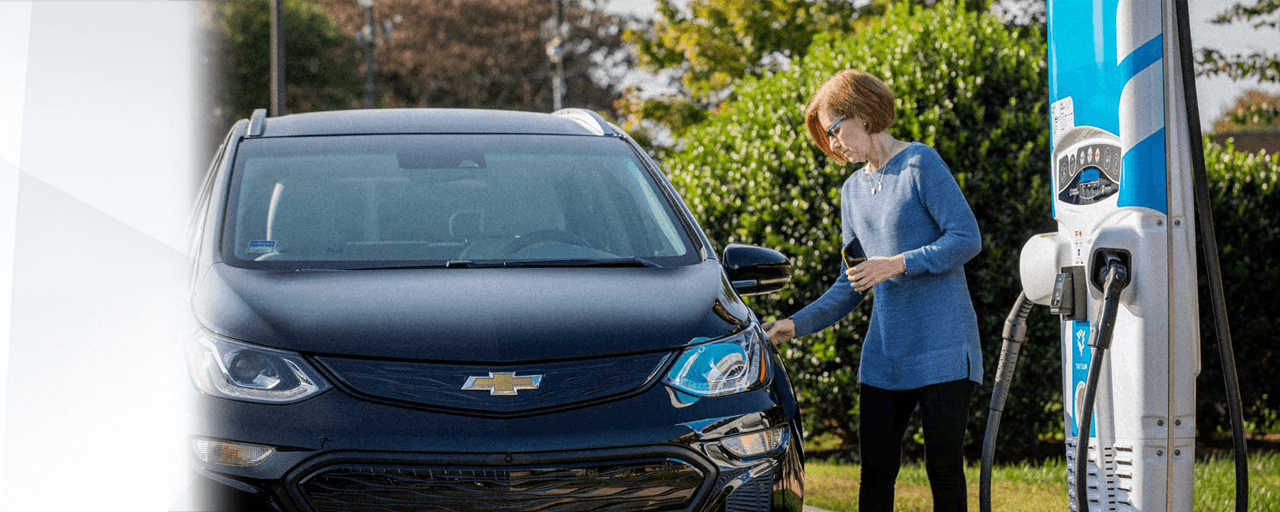
One reason drivers don’t buy EVs is because they don’t believe there are enough chargers to cover the distances they travel – but it turns out, they aren’t traveling all that far.
The MIT study found not only do people rarely drive further than their daily routes around town, the current EV technology (battery range, charge time) is already sufficient for most drivers to make the switch from traditional vehicles to EVs right now.
Via MIT:
While the vast majority of people’s daily driving needs can be met by the range provided by existing lower-cost electric cars, as Trancik and her colleagues have reported, there are typically a few times when people need to drive much farther. Or, they may need to make more short trips than usual in a day, with little time to stop and recharge. These “high-energy days,” as the researchers call them, when drivers are consuming more than the usual amount of energy for their transportation needs, may only happen a handful of times per year, but they can be the deciding factor in people’s decision making about whether to go electric.
So why is this good for convenience stores?
The only thing stopping many traditional drivers from becoming EV drivers is the lack of EV infrastructure, causing so-called “range anxiety” or driver stress about finding the next charging station before the battery dies.
If only there was an existing infrastructure designed specifically on driving patterns that would alleviate range anxiety.
Oh wait, there is!
All 150,000 gas stations in the United States are located based on driving patterns. That distinct advantage is core to creating an efficient charging network. If chargers were available alongside the gas pumps at their neighborhood convenience store, instead of random spots like shopping malls – range anxiety would be no more.
Here’s an example of a c-store retailer who recognized those EV driving patterns and took advantage early.