




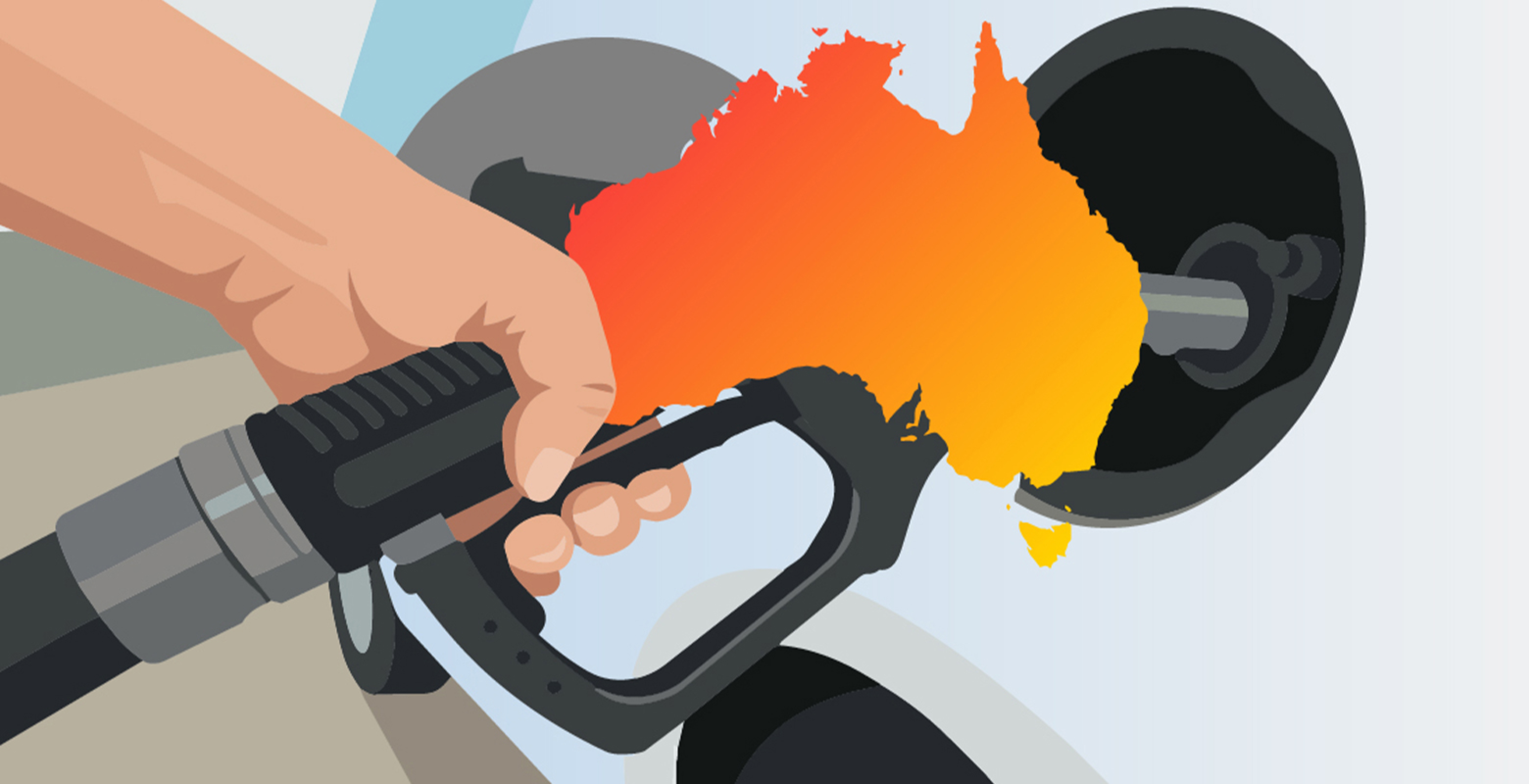
Tackling the Surge in Fuel Drive-Offs: Why Pay-at-the-Pump Solutions Are More Crucial Than Ever
Recently, Australian petrol retailers have been grappling with a sharp rise in fuel drive-offs - incidents where customers fill up their tanks and drive away without paying. This troubling trend has not only sparked concern among business owners but also prompted police warnings aimed at curbing costly crime. As fuel retailers face mounting losses, it has become increasingly clear that adopting secure, pay-at-the-pump systems is no longer just an option, but a necessity.
The Rising Cost of Fuel Theft
Fuel drive-offs, often dismissed as petty theft, have surged alarmingly in recent months and cost Australian retailers up to $82 million annually*. Retailers report a significant uptick in the number of incidents, contributing to financial strain on an already challenging industry. The repercussions extend beyond immediate monetary loss - they ripple through operational costs, forcing price adjustments and increased security expenditure, creating a cycle that ultimately impacts everyday consumers.
Police have stepped up warnings to retailers, urging vigilance and the adoption of preventive measures to stem from this growing issue. Yet, while increased watchfulness is a good start, the solution lies deeper in technology and convenience.
Pay-at-the-Pump: A Modern Solution to an Age-Old Problem
The concept of pay-at-the-pump is not new, but its adoption varies widely. In Australia, many petrol stations still operate with traditional pay-inside systems, increasing the risk of fuel theft. By contrast, pay-at-the-pump technology requires customers to pay before fueling, significantly reducing opportunities for drive-offs.
This system offers multiple benefits:
- Eliminates Drive-Off Theft: A pay-at-the-pump solution ensures the transaction is completed before fuel is dispensed, drastically lowering theft risk.
- Increases Throughput by Reducing Dwell Time: Cutting down the time a pump is occupied from 6 minutes to 4 minutes increases the number of vehicles a dispenser can serve from 10 to 15 per hour.**
- Shortens Queues and Boosts Customer Sales: Paying at the pump streamlines the fueling process, reducing queues and allows retailers to drive more traffic to the store through media capabilities.
- Reduces Cost of Operations: Lower incidences of unpaid fuel lead directly to improved profit margins.
Overcoming Barriers to Implementation
Despite these clear advantages, barriers exist. Smaller independent retailers may find the initial investment in pay-at-the-pump infrastructure costly. Additionally, some customers remain wary of contactless or card payments outside the store. However, data shows that adoption rates are growing steadily beyond the Australian market as more retailers recognize the value and security benefits of modern payment systems.
Adoption Across the Globe
Pay-at-the-pump solutions have been widely embraced internationally with proven success. For example, the technology boasts a 97% adoption rate in New Zealand and an 85% adoption rate in Malaysia. In North America alone, there are over 500,000 payment device installations, highlighting the system’s scalability and reliability.***
Conclusion
The recent surge in petrol drive-offs highlights the urgent need for retailers to adopt smarter, more secure fueling technologies. Pay-at-the-pump systems offer a straightforward and effective way to reduce theft, improve customer convenience, and protect retailer revenue. Solutions like Gilbarco Veeder-Root’s pay-at-the-pump technology are designed to address these challenges head-on.
By allowing customers to pay securely before dispensing fuel, Gilbarco Veeder Root’s outdoor payment terminals prevent drive-offs while enhancing the overall fueling experience. With seamless integration, robust security features, and user-friendly interfaces, it’s a future-ready solution that benefits both retailers and consumers alike.
As the fuel retail landscape continues to evolve, investing in advanced payment technologies is a fundamental step toward safeguarding business and building customer trust - ensuring that filling up remains safe, simple, and efficient for everyone.